
From Games to Communities: Why Roblox, Fortnite, and Minecraft Matter More Than Ever to Brands
Published on
by Jack Milko
Roblox, Fortnite, and Minecraft have evolved from games into persistent cultural places where Gen Z socializes, creates identity, and participates in culture, making them fundamentally different from traditional media channels.
Influence in these environments is driven by participation, not visibility. Players reward brands that build, enable, and contribute through gameplay, creators, and utility, while rejecting imposed or purely transactional activations.
Winning requires platform‑specific strategy and long‑term thinking. Each ecosystem demands a distinct approach, and brands that invest early, authentically, and repeatedly build lasting relevance with the next generation.
In this Insight:
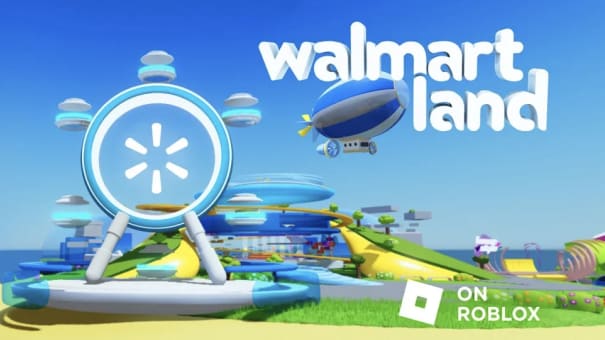
For a growing share of Gen Z, individuals born between 1997 and 2012, the most important cultural spaces are not social networks or streaming platforms. Rather, they are sandbox games.
In gaming terms, “sandbox” refers to open, player driven environments where users are given tools, freedom, and creative control rather than predefined paths. Platforms like Roblox, Fortnite, and Minecraft exemplify this model, allowing players not just to play, but to build worlds, create content, socialize, and even generate real income inside the ecosystem.
Over time, these platforms have evolved far beyond their original formats. What started as games have become persistent social worlds, places where hundreds of millions of people spend time each month expressing identity, forming communities, and participating in culture as it happens. For brands, this evolution matters, because engaging in a sandbox world is fundamentally different from advertising around one.

The Moment Games Became Places
The shift toward “games as places” did not happen overnight. Minecraft’s early success a decade ago showed what happens when players are given tools instead of instructions. Thus, entire ecosystems of creators, mods, and communities emerged organically. Roblox scaled that idea into a full creator economy, allowing players to both build and monetize experiences. Fortnite, meanwhile, transformed from a ‘Battle Royale,’ where roughly 100 individual players competed across a fixed map into a live cultural platform capable of hosting concerts, premieres, and brand-led moments at a massive scale.
Nevertheless, the common thread across all three platforms is agency. Players are not passive audiences. They are participants shaping the world itself. That agency is why these environments feel sticky, and why traditional brand interruptions struggle to resonate inside them.
Where Gen Z Actually Spends Time
Roblox now dominates Gen Z time spent across gaming platforms, with more than 150 million daily active users globally and over 10 billion hours played per month. Its audience skews youngest, but the platform’s growth trajectory points forward: many of today’s Roblox users will age up without aging out.
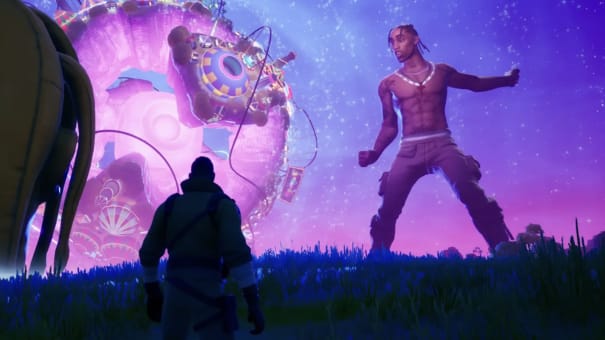
Fortnite sits at a different intersection as it bridges older Gen Z and younger millennials through competitive play, social gathering, and live events. With more than 650 million registered players, Fortnite has proven that large‑scale shared experiences in digital spaces aren’t novelty; they’re normalized behavior. Iconic moments like Travis Scott’s Astroworld in‑game performance, which now has more than 248 million viewers over the past six years on YouTube, redefined what a “live” cultural moment could look like inside a virtual world. It also serves as the ideal example of how Fortnite has become an important aspect of Gen Z culture.

Minecraft remains the broadest franchise of the three, with a diverse age range, deep roots in education, and a creative culture that feeds directly into indie development and technical learning. Even then, Minecraft averages more than 200 million monthly active users globally, according to SQ Magazine. For many players, Minecraft is less a game than a creative language they grew up speaking.
Collectively, these platforms represent something brands often underestimate. For Gen Z, they are primary social environments, not complements to social media, but alternatives to it.
Sandbox platforms like Fortnite, Roblox, and Minecraft aren’t just games where people play games, they are places where culture is being built in real time. The brands that succeed are the ones who best understand they’re entering communities, not campaigns, and that lasting relevance comes from participation, not interruption.”
Eike Gyllensvärd, President, Global Esports & Gaming, SPORTFIVE
The Creator Economy Built Inside the World
One of the most overlooked aspects of these ecosystems is the nature of the creator class.
These aren’t influencers in the traditional sense. They are builders: individuals who develop, design, and create games, maps, and mechanics within the platform itself. Roblox paid out more than $900 million to creators in 2024, crossing the $1 billion annual mark in 2025. Fortnite’s Unreal Editor for Fortnite (UEFN) ecosystem has grown to tens of thousands of active creators, with more than a third of total playtime now happening on creator-made islands.
This shift reframes how Gen Z relates to platforms. These worlds are not just spaces for entertainment; they are training grounds for entrepreneurship, technical skill-building, and creative ownership. The line between “player” and “developer” is intentionally porous.
For brands, that matters because influence inside these platforms flows through credibility and contribution, not just on visibility alone.
How Brands Win (and Lose) Inside Virtual Worlds
Brand success in gaming environments follows a simple rule: players reward what feels native and reject what feels imposed.
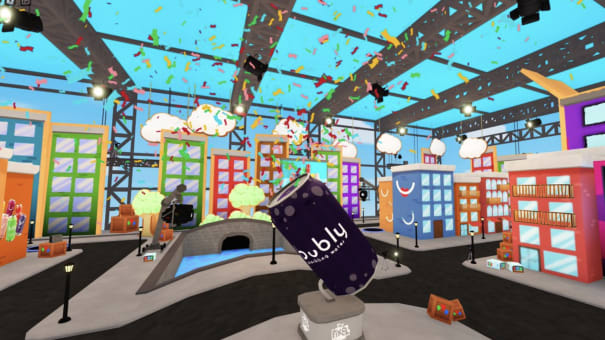
The strongest activations do not lead with logos. They lead with gameplay, customization, and utility inside the world. Brands like Bubly, Nike, Vans, and Gucci have succeeded by building playable experiences, enabling self‑expression through digital items, or integrating directly into mechanics players already enjoy. SPORTFIVE has applied the same principle in practice. In 2023, the team partnered with Samsung and Minecraft creator Tubbo to launch TubNet, a bespoke world where Samsung tablets were integrated directly into gameplay. Rather than serving as static branding, the tablets functioned as an in‑world tool, helping players navigate and interact with the environment—making the product useful, visible, and native to the experience.
In Fortnite, this shift is increasingly evident as brand integrations are layered into existing creator islands rather than isolated, standalone destinations. The data reflects the effectiveness of this approach. In 2025, brand integrations surpassed brand‑owned worlds for the first time, and brands that returned with multiple activations consistently outperformed one‑off campaigns. Players spend meaningful time—often 10 to 30 minutes—inside experiences they choose to engage with voluntarily.
Failures, by contrast, are predictable: transactional placements, static logos, or worlds that go dark after launch. Gen Z is highly sensitive to inauthenticity, and gaming cultures are especially quick to detect it.

SPORTFIVE’s Role: Helping Brands Belong
The opportunity for brands is real but so is the complexity.
Each platform demands a different approach. Roblox rewards long-term, community-rooted thinking. Fortnite excels at live moments and cultural scale. Minecraft offers longevity, creativity, and educational reach. A one-size-fits-all activation strategy almost always underperforms.
SPORTFIVE’s role is not simply to help brands enter these worlds, but to guide how and why they show up. That includes advising on platform fit, connecting brands with credible creators who build rather than broadcast, and translating live sports and entertainment DNA into formats that work natively inside virtual environments.
As these platforms continue to grow in openness, monetization tools, and cultural relevance, the brands investing now aren’t chasing a trend. They’re aligning with where the next generation already lives, plays, and creates.
In the years ahead, the question for brands won’t be whether gaming matters. It will be whether they showed up early enough and thoughtfully enough to matter inside it.
Sports consultancy or advisory refers to the professional services provided by experts and firms in the sports industry to assist individuals, teams, organisations, and businesses in making informed decisions, optimising performance, and achieving strategic objectives. These consultants offer a range of services encompassing various aspects of the sports ecosystem.
In the realm of athlete representation, sports consultants provide guidance on contract negotiations, endorsements, and career planning. They may also offer financial advice and help athletes navigate the complexities of sponsorship deals. For sports teams and organisations, consultancy services may include strategic planning, talent acquisition, marketing strategies, and operational efficiency improvements.
Additionally, sports advisory extends to areas such as facility management, event planning, and sports business development. Consultants leverage their industry knowledge, market insights, and networks to guide clients in maximising their potential within the dynamic and competitive sports landscape.
The role of sports consultancy has evolved in response to the growing complexity of the sports business, incorporating elements of legal, financial, strategic, and marketing expertise. As the sports industry continues to expand globally, the demand for specialised advisory services becomes increasingly vital for stakeholders seeking sustainable success in this dynamic field.
Sponsorship activation refers to the strategic efforts and initiatives undertaken by a sponsor to maximise the impact of their sponsorship investment. It involves bringing the sponsorship to life through various marketing and promotional activities to achieve specific business objectives.
Activation goes beyond placing a logo; it aims to engage the target audience, enhance brand visibility, and create a meaningful connection.
Activation strategies may include experiential marketing events, social media campaigns, contests, exclusive content, and collaborations with the sponsored entity. The goal is to leverage the association with the sponsored property in a way that resonates with the audience, builds brand loyalty, and delivers a positive and memorable brand experience.
Effective sponsorship activation enhances the overall value of the sponsorship, creating a win-win scenario for both the sponsor and the sponsored entity.
Partnership marketing, also known as strategic collaboration, is a mutually beneficial arrangement where two or more businesses or entities join forces to achieve shared marketing objectives.
In this approach, each partner contributes resources, such as customer base, expertise, or promotional channels, to create a synergy that enhances the overall effectiveness of the marketing efforts.
The collaboration can take various forms, including joint promotions, co-branded products, shared events, or cross-promotional campaigns.
Partnership marketing enables companies to reach new audiences, increase brand visibility, and capitalise on the strengths of their partners. It fosters a win-win scenario, where both parties leverage the relationship to achieve strategic goals and often results in a more cost-effective and impactful marketing strategy for all involved.
If you are interested in a career at SPORTFIVE and help brands to grow through sport sponsorship and marketing, simply check out the careers page. The SPORTFIVE team will be happy to discuss opportunities that match your experience and vision.
SPORTFIVE combines global reach, data-driven insights and a deep understanding of sports markets to deliver tailored sponsorship solutions that drive commercial success for rightsholders.
